
Arizona Homeowners Eye USDA Loans as a Low‑Cost Path to Equity
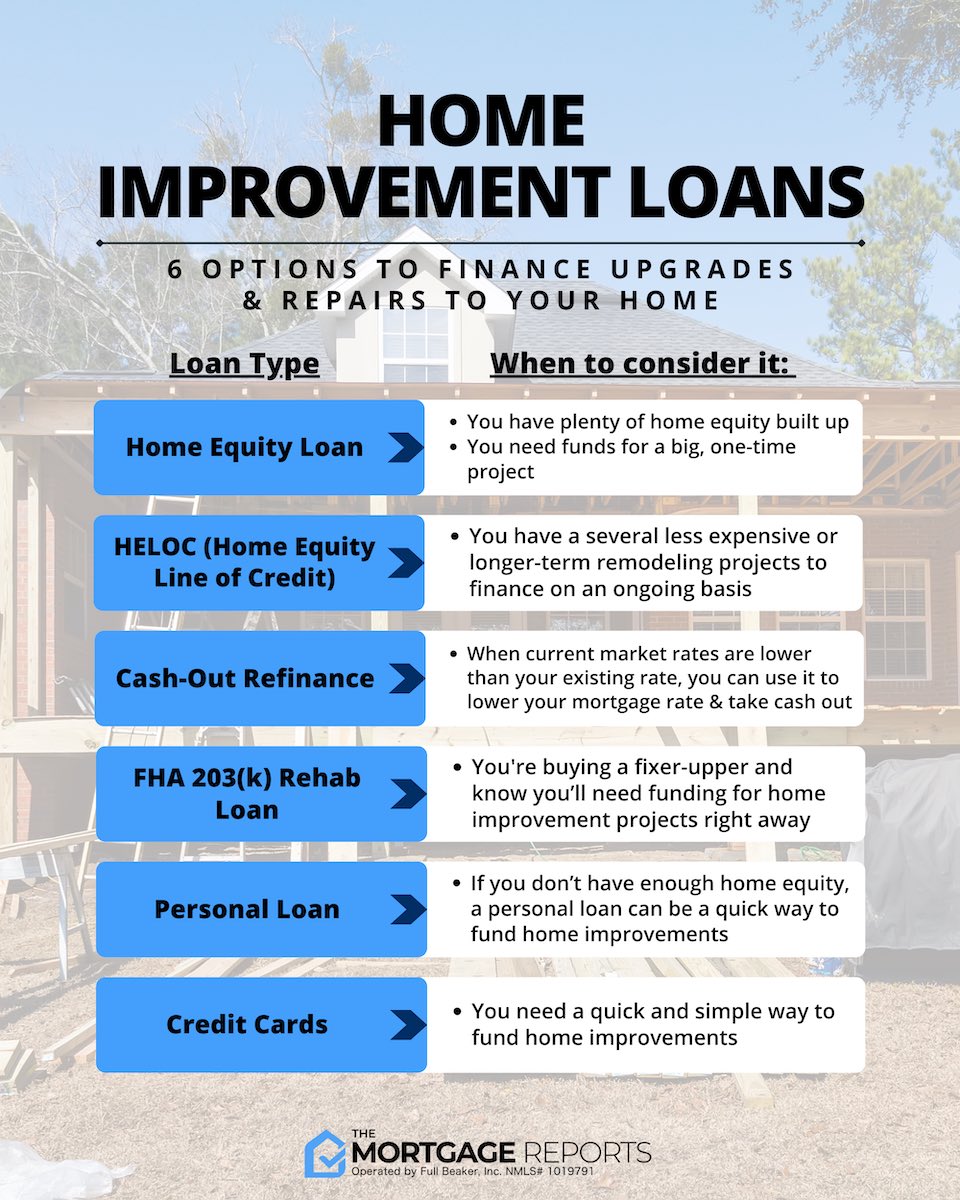
In the sun‑baked landscapes of Arizona, homeowners are increasingly turning to federal loan programs to tap into their property’s growing value. While conventional mortgages and private lenders remain popular, the U.S. Department of Agriculture (USDA) offers an attractive alternative for those living in eligible rural areas. With zero down payment requirements and competitive rates, USDA loans have become a hot topic among first‑time buyers and seasoned investors alike.
For anyone looking to understand how these loans work—and how they might benefit you—this article dives into the eligibility criteria, application process, and recent trends shaping Arizona’s housing market. By the end, you’ll know whether a USDA loan could be the right move for your next purchase or refinance.
Understanding USDA Loans: What Makes Them Stand Out
The USDA guarantees loans issued by approved lenders, which means the federal government backs the debt if the borrower defaults. This backing allows lenders to offer lower interest rates and eliminate private mortgage insurance (PMI), making USDA mortgages financially attractive for many.
- No Down Payment: Borrowers can finance 100% of the purchase price.
- Flexible Credit Standards: While most lenders require a minimum score of 640, some accept scores as low as 620.
- Competitive Rates: USDA rates typically sit 0.5–0.75% below conventional or FHA rates.
However, the program is not without its constraints. The property must be located in a designated rural area—an area with fewer than 20,000 residents—and serve as the borrower’s primary residence. Income limits also apply; the household income cannot exceed 115% of the area’s median income.
Arizona’s Eligibility Landscape
The USDA’s definition of “rural” can be a stumbling block for Arizona buyers, especially in rapidly growing cities like Phoenix and Tucson. The USDA website hosts an interactive map where prospective borrowers can enter an address to verify eligibility.
| County | Eligible Rural Area? | Income Limit (Single Household) |
|---|---|---|
| Coconino | Yes | $71,000 |
| Maricopa | No | N/A |
| Pima | Partial (some ZIPs) | $68,500 |
Even within counties that have eligible rural zones, the exact boundaries can shift as population growth pushes areas over the 20,000‑resident threshold. Homebuyers should double‑check each property’s status before moving forward.
The Application Process: Step by Step
Securing a USDA loan involves more than simply filling out an application form. Below is a concise roadmap to guide you through the stages:
- Pre‑Qualification: Contact a USDA‑approved lender to estimate borrowing power based on your income, credit score, and debt-to-income ratio.
- Gather Documentation: Pay stubs, tax returns, W‑2s, bank statements, and proof of identity are standard requirements.
- Property Search: Find a primary residence in an eligible rural area that meets USDA safety and size standards.
- Submit Loan Application: The lender will process your paperwork and forward the request to USDA for final approval.
- Appraisal & Inspection: A USDA‑approved appraiser verifies the property’s value and compliance with Minimum Property Requirements (MPRs).
- Final Approval & Closing: Once USDA signs off, you’ll sign the closing documents and receive your keys.
Unlike conventional loans, USDA approvals can take an extra two to three weeks because of the federal review step. Patience is key—especially if you’re eyeing a particular listing with a tight sale window.
Cost Breakdown: Fees You’ll Encounter
While USDA loans eliminate PMI, they do carry guarantee fees that fund the program’s risk management:
- Upfront Guarantee Fee: Usually 1% of the loan amount; can be rolled into the principal.
- Annual Guarantee Fee: 0.35% of remaining principal, divided monthly and added to your payment.
Appraisal costs typically range from $500 to $800, depending on location and lender. Closing costs can add another 2–5% of the purchase price, covering title insurance, escrow fees, and other administrative expenses.
Why Arizona Homeowners Are Choosing USDA Loans
The state’s real estate market has seen a steady rise in median home prices over the past decade. For buyers in smaller towns—such as Flagstaff, Prescott, or parts of Tucson—the affordability gap is bridged by USDA loans.
“I was looking for a place where I could live and still have room to grow my family,” says Maria Lopez, a recent buyer in Coconino County. “The zero down payment option made it possible without overleveraging.”
Moreover, the competitive rates can translate into substantial monthly savings when compared to conventional mortgages. For instance, a 30‑year fixed USDA loan at 3.25% versus a conventional rate of 4.00% could reduce monthly payments by several hundred dollars.
Alternatives and Complementary Programs
If a property falls outside the USDA’s rural definition but still lies in a low‑to‑moderate cost area, buyers might consider:
- FHA Loans – Allow down payments as low as 3.5% and accept lower credit scores.
- VA Loans – Available to veterans, with no down payment or PMI.
- Local First‑Time Homebuyer Grants – Many Arizona counties offer grants or forgivable loans for eligible buyers.
These alternatives often come with their own eligibility hurdles but can be worth exploring if USDA requirements aren’t met.
The Role of Technology: Online Lenders and Automation
Today’s homebuyers have more options than ever to compare rates and streamline the application process. Digital lenders such as arizonaziploan.com provide instant pre‑qualification tools, e‑signature capabilities, and real‑time status updates—all tailored to Arizona’s unique market.
By leveraging data analytics, these platforms can quickly match borrowers with the best USDA‑approved lenders based on credit score, income, and desired loan amount. This technology reduces paperwork and accelerates approvals, making the USDA experience less daunting for first‑time users.
Key Takeaways for Prospective Borrowers
While USDA loans offer enticing benefits, they’re not a one‑size‑fits‑all solution:
- Verify your property’s eligibility on the USDA map before you start the process.
- Maintain a stable income history; lenders typically require two years of consistent earnings.
- Be prepared for additional fees—though they’re generally offset by lower interest rates.
- Consider timing: USDA approvals can take longer, so plan your purchase timeline accordingly.
With the right preparation and a clear understanding of the requirements, Arizona homeowners can harness USDA loans to secure affordable financing, preserve equity, and achieve long‑term homeownership goals.